
Getting Your Plumbing Flowing Again
How to unclog a drain can indeed be a real hassle It takes more than just dumping chemicals down the sink and crossing your fingers. The process involves a bit more strategy and know-how. The first crucial step is to assess the situation carefully. What exactly is causing the blockage? Is it hair, grease, or perhaps something else entirely? Finding the source of the blockage is crucial since it informs the best line of action for effectively unclogging the drain.
Gathering Your Tools
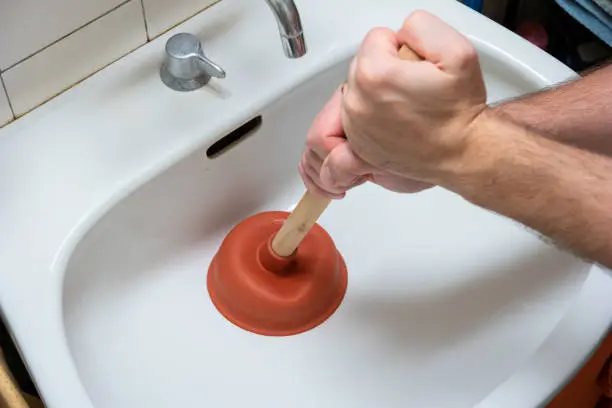
Before diving into the task of unclogging the drain, it’s essential to gather the necessary tools. A plunger is a must-have for most clogs. Additionally, a drain snake or auger can be handy for tackling more stubborn blockages. Gloves and a bucket may also come in handy, especially if things get messy.
Plunging Away the Obstruction
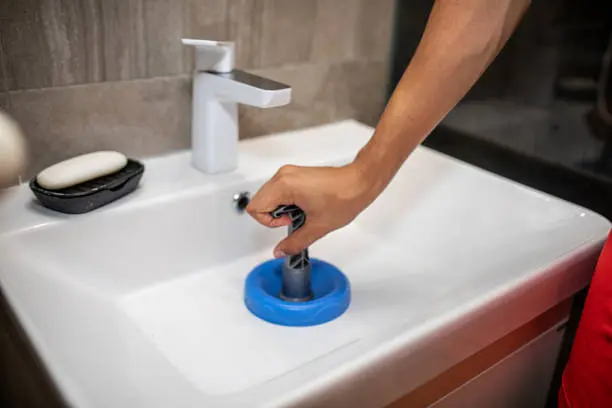
Once you’ve assessed the situation and gathered your tools, it’s time to start unclogging your drains. Begin by placing the plunger over the drain and ensuring a tight seal. Then, vigorously pump the plunger up and down to create suction and dislodge the clog. Be patient and persistent, as it may take several attempts to clear the drain completely.
Using Natural Remedies
If plunging alone doesn’t do the trick, consider using natural remedies to unclog drains. Baking soda and vinegar can work wonders on minor clogs. Simply pour a pot of boiling water down the drain, followed by a mixture of baking soda and vinegar. Let it sit for a few minutes before flushing the drain with hot water again.
Employing a Drain Snake
For more stubborn clogs, a drain snake or auger may be necessary. These tools allow you to reach deep into the pipes to break apart the obstruction. Insert the snake into the drain and twist it clockwise to hook onto the clog. Then, slowly pull the snake back out, bringing the clog with it.
Preventing Future Clogs
Now that the drain unclogging process has been successful, it’s crucial to take proactive steps to prevent future blockages from occurring. One of the most important measures is to avoid pouring grease, oil, and food scraps down the drain, as these substances can easily accumulate and cause obstructions. Additionally, using a hair catcher in the shower is highly recommended to trap hair before it can contribute to clogs. Another useful practice is to regularly flush drains with hot water, as this can help dissolve and dislodge any buildup, keeping the pipes clear and free-flowing. By incorporating these preventative measures into your routine, you can help maintain a healthy plumbing system and minimize the need for future unclogging efforts.
Maintaining Your Plumbing
Proper maintenance is key to keeping your plumbing in good working order. In addition to preventing clogs, it’s essential to address any leaks or drips promptly to avoid water damage and mold growth. Schedule regular inspections with a plumber to catch any potential issues before they become major problems.
Final Thoughts on Unclogging Your Drains
Unclogging drains can be a frustrating and messy task, but with the right tools and techniques, it’s possible to restore your plumbing to full functionality. Whether you’re dealing with a minor clog or a major blockage, taking swift action can help prevent further damage and inconvenience. Remember to assess the situation, gather your tools, and use the appropriate methods to clear the obstruction. By staying proactive and vigilant, you can keep your drains flowing smoothly for years to come.
Leave How to Unclog a Drain to Experts!
If you’re struggling with stubborn clogs, don’t hesitate to reach out to AFUS Plumbing & Homes Remodeling for professional assistance. Our team of experts specializes in how to unclog a drain and can help you get your plumbing back on track. Serving the Norwalk, CA area, we’re here to provide prompt and reliable service when you need it most. Call (562) 312-6110 today to schedule an appointment.